

The roar of engines, the flash of speed, the checkered flag – Formula 1 is a spectacle of high-octane performance. But this weekend, as the new F1 season kicks off, we’re looking beyond the sheer pace. At LDS Advisory, we believe that the true lessons of the Grand Prix lie not in how fast a car can go, but in the intricate strategic decisions that dictate its success.
We sat down with Philip Platteau, a Strategy Partner at LDS Advisory, a true aficionado who views F1 races through the lens of a seasoned strategist. For Philip, every Grand Prix is a masterclass in decision-making, revealing the subtle yet critical choices that shape outcomes, much like dissecting a complex board deck.
Beyond Speed: The Strategic Heart of Formula 1
It might surprise you, but according to Philip, F1’s greatest strategic teachings have very little to do with simply going faster. The sport is a relentless test of adaptability, foresight, and calculated risk-taking. It’s about understanding the entire ecosystem – the car, the driver, the track, the weather, the competition – and making optimal decisions under immense pressure.
The Pit Stop: A Microcosm of Strategic Execution
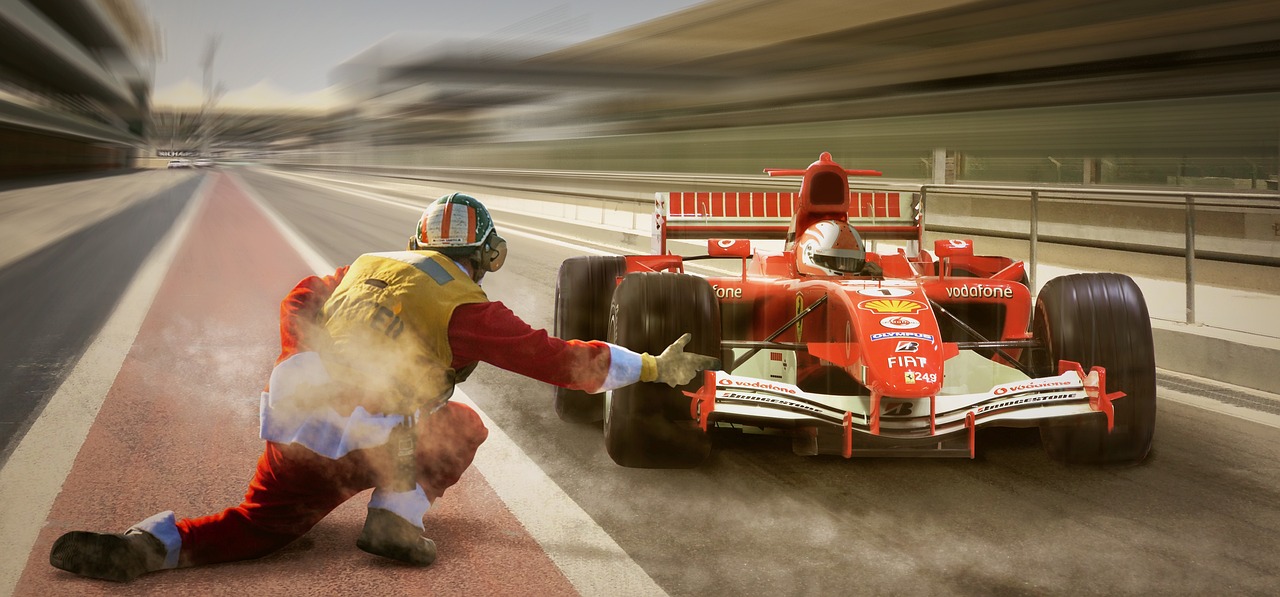
Consider the pit stop. It’s a mere handful of seconds, yet it’s meticulously planned and executed. Every team member has a defined role, every movement is precise. A fraction of a second gained or lost can be the difference between victory and defeat. This mirrors the importance of flawless execution in business strategy. Are your operations as finely tuned as an F1 pit crew?
Weathering the Storm: Adapting to Unforeseen Challenges
Formula 1 races are rarely straightforward. Unexpected rain, safety car periods, or mechanical failures can throw even the best-laid plans into disarray. The teams that thrive are those that can adapt quickly, make intelligent strategic calls on the fly, and recover from setbacks.
This ability to pivot is crucial for any business. How do you respond when market conditions change unexpectedly? Do you have contingency plans? Can your leadership team make agile decisions when the “race” doesn’t go according to plan?
Driver and Car Synergy: Alignment is Key
A Formula 1 car is an extraordinary piece of engineering, but it’s useless without a skilled driver. Similarly, a brilliant strategy will falter without the right people to implement it. The synergy between the driver’s ability to push the car to its limits and the car’s capacity to perform is paramount.
In business, this translates to the alignment between your vision and your team’s capabilities. Are your people equipped and empowered to execute your strategy effectively? Is there a clear understanding of goals and roles?
Lessons for Leadership Teams
At LDS Advisory, we apply this F1-inspired strategic thinking to help leadership teams build robust, resilient strategies. We delve deep to uncover the critical decisions that will drive success, ensuring clarity and preparedness for any eventuality.
Key Takeaways for Your Business Strategy:
- Anticipate and Adapt: Don’t just plan for the best-case scenario; prepare for disruption.
- Focus on Execution: A brilliant strategy is only as good as its implementation.
- Build Synergy: Ensure alignment between your strategy, your people, and your resources.
- Decisions, Not Just Speed: Strategic thinking is about intelligent choices, not just rapid action.
Just as an F1 team constantly analyzes data, refines its approach, and makes critical decisions, businesses must do the same to stay ahead. The insights gleaned from the intense world of Grand Prix racing offer a powerful framework for navigating the complexities of the modern business landscape.
This season, as you watch the cars battle it out on the track, consider the strategic brilliance unfolding. What lessons can you apply to your own business challenges?
Ready to refine your own winning strategy? Contact LDS Advisory today to learn how we can help your leadership team achieve strategic clarity and drive sustainable success.

